Barcode printing has become a very important aspect of retail, logistics, and manufacturing industries for managing inventory, tracking products, and improving operational efficiency. The central part of this process is the barcode ribbon roll, which is a critical component of thermal transfer printing. However, businesses often face recurring problems such as poor print quality, broken ribbons, and faded barcodes, usually because of improper ribbon selection or mishandling.
Understanding common barcode ribbon roll problems and knowing how to troubleshoot them can help businesses save time, reduce costs, and ensure accurate barcode scanning. This guide explains common issues and how to resolve them by selecting the right barcode ribbons in India.
Understanding Barcode Ribbon Roll in Thermal Printing
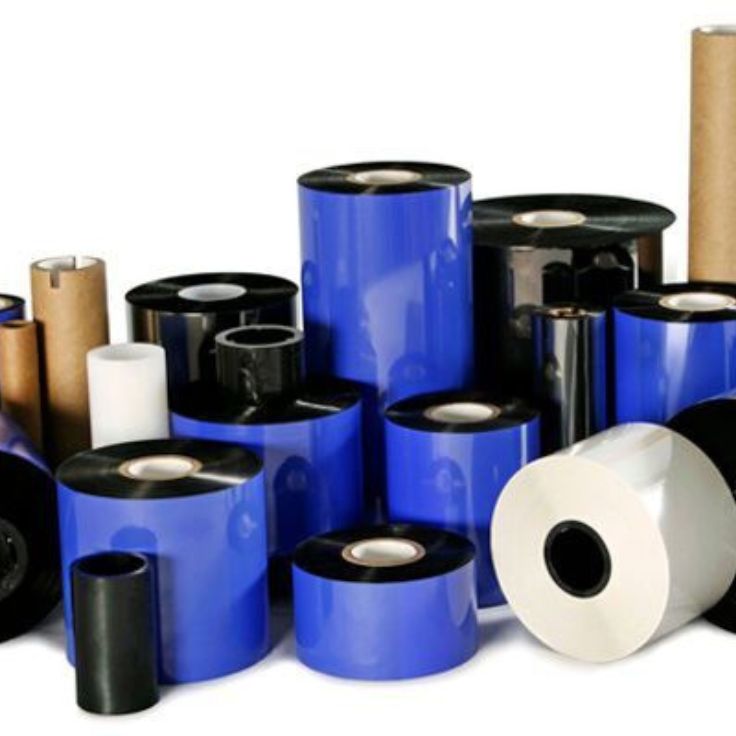
Thermal transfer printers use a barcode ribbon roll to print barcodes and other information on labels. The printer applies heat to the ribbon, transferring ink onto the label surface. Ribbon quality directly affects print clarity, scanning accuracy, and durability.
Thermal transfer printing is widely used because it can produce durable prints compared with direct thermal printing. Whether printing shipping labels, product tags, or asset labels, choosing the right ribbon helps ensure smooth operation and professional results.
Common Barcode Ribbon Roll Problems Faced by Businesses
1. Poor Print Quality Due to Low-Quality Barcode Ribbon Rolls
Faded or incomplete barcode prints are common problems for businesses. Low-quality barcode ribbon rolls may produce light or unclear prints that cannot be scanned correctly, causing errors at checkout counters and in warehouses.
How to Fix It
Choose high-quality barcode printing ribbons in India that are compatible with your printer and label material. Quality ribbons produce darker, sharper prints and support consistent results during high-volume printing.
2. Smudging and Fading Issues in Barcode Label Printing
Smudged or faded barcode labels can disrupt business operations, particularly in logistics and storage environments. This issue may occur when the ribbon does not provide sufficient resistance to friction, moisture, or other environmental conditions. Wax ribbons may not be suitable for applications that require greater durability.
How to Fix It
Select a ribbon based on the intended application. Wax barcode ribbons in India are an economical option for short-term labels printed on compatible paper. For better resistance to smudging and wear, consider wax-resin or resin ribbons, depending on the label material and operating conditions.
3. Ribbon Wrinkling and Creasing During Printing
Ribbon wrinkles can cause uneven printing, blank spaces, and damaged labels. This problem is often associated with incorrect ribbon tension, improper loading, or unsuitable printer settings.
How to Fix It
Use thermal barcode ribbons compatible with your printer model. Ensure that the ribbon is loaded correctly and adjust the printhead pressure and ribbon tension according to the manufacturer's instructions. Cleaning the printhead and checking ribbon alignment can also help prevent creasing.
4. Ribbon Breaking or Tearing Frequently
Frequent ribbon breakage interrupts printing workflows and increases operating costs. Common causes include excessive printhead temperature, incorrect tension, damaged printheads, and poor-quality ribbons.
How to Fix It
Choose reliable thermal transfer ribbons designed for your printing requirements. Adjust the printhead temperature and printing speed according to the ribbon manufacturer's recommendations. Check the ribbon path, tension, and printhead condition to identify any additional issues.
5. Barcode Labels Not Durable Enough
Barcode labels used in manufacturing and logistics may be exposed to friction, moisture, chemicals, and temperature changes. If the printed information fades or the label deteriorates, barcode scanning and product tracking can become unreliable.
How to Fix It
Choose barcode label ribbons in India according to the required durability. Wax-resin ribbons offer improved resistance for many demanding applications, while resin ribbons are often suitable for compatible synthetic labels that require greater resistance to abrasion, chemicals, or environmental exposure.
How to Choose the Right Barcode Ribbon Roll for Your Needs
1. Understanding Wax, Wax-Resin, and Resin Ribbons
Selecting the correct ribbon type is essential for achieving reliable print quality and cost efficiency.
- Wax ribbons: Suitable for many short-term applications on compatible paper labels.
- Wax-resin ribbons: Provide greater durability and improved resistance to smudging and abrasion for suitable label materials.
- Resin ribbons: Designed for demanding applications requiring durable prints, particularly on compatible synthetic materials.
Consider the label surface, environmental conditions, and expected label lifespan before selecting a ribbon.
2. Matching Barcode Ribbon Roll with Label Material
Not every ribbon works with every label material. Wax ribbons are commonly used with paper labels, while synthetic materials such as polyester may require resin or specially formulated wax-resin ribbons.
Selecting a barcode ribbon roll that matches the label material helps prevent printing defects and improves barcode durability. Always verify compatibility with the ribbon and label manufacturers.
3. Printer Compatibility and Ribbon Size Selection
Printer compatibility plays an important role in print quality. Check the ribbon width, length, core size, winding direction, and printer specifications before purchasing.
Choosing compatible thermal barcode ribbons in India helps maintain consistent printing performance, reduces material wastage, and minimizes maintenance issues.
Benefits of Using the Best Barcode Ribbons in India
High-quality barcode ribbons can provide several advantages for businesses across different industries.
- Clear and readable barcodes for accurate scanning.
- Fewer printing errors and less operational downtime.
- Improved print durability and label performance.
- Reduced material wastage and long-term operating costs.
- Consistent printing quality for high-volume applications.
The right barcode printing ribbons in India can support different industrial requirements while maintaining consistent performance when correctly matched with the printer and label material.
Maintenance Tips to Avoid Barcode Ribbon Roll Problems
Proper storage and routine printer maintenance can help extend ribbon life and prevent common printing problems.
- Store ribbons in a cool, dry environment.
- Protect ribbons from direct sunlight, excessive heat, and humidity.
- Clean the printhead and rollers regularly according to the printer manufacturer's instructions.
- Load ribbons carefully to avoid wrinkles, creases, and misalignment.
- Use the recommended printhead temperature and printing speed.
- Check ribbon dimensions and compatibility before installation.
Following these maintenance practices helps maintain print quality, reduce unnecessary replacements, and support reliable barcode printing.
Conclusion
Barcode printing problems often result from incorrect ribbon selection, unsuitable printer settings, or improper handling. By understanding common barcode ribbon roll issues and choosing the right barcode ribbons in India, businesses can produce clear, durable, and scannable labels.
Selecting the appropriate ribbon, maintaining the printer, and following recommended storage practices can improve productivity, reduce wastage, and minimize long-term operating costs. A well-matched barcode ribbon roll is an important part of maintaining an efficient and reliable labeling process.
```